About this episode
MENTIONED IN THIS EPISODE
Check out our sponsors and resources: Visit Our Sponsor Page
Transcript~45 min read
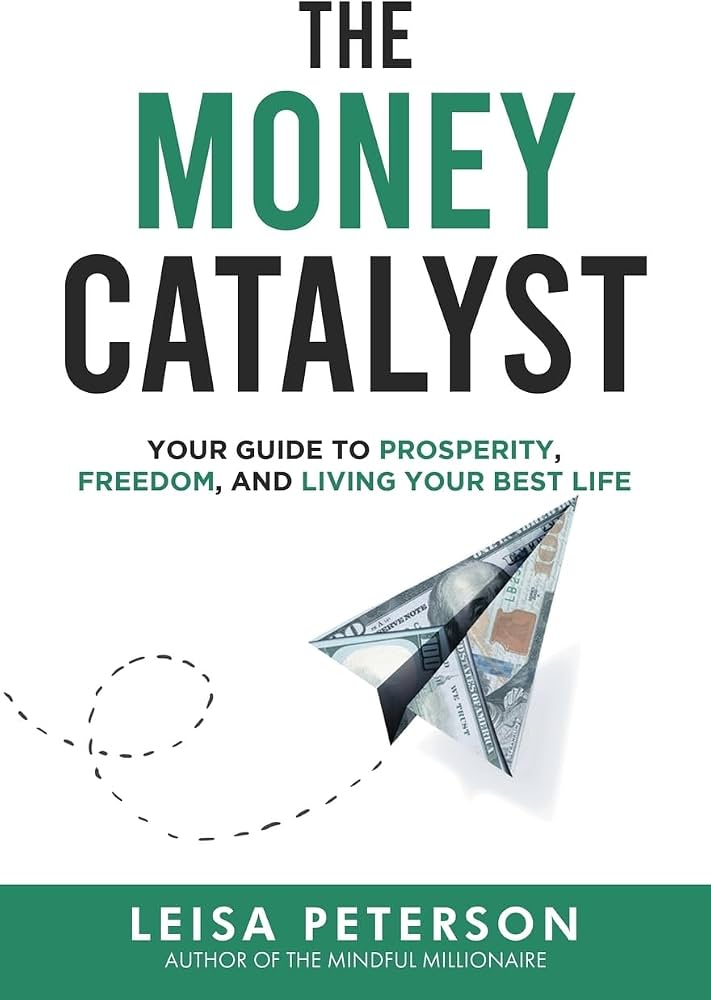
By the age of 7, most of us have absorbed the rules that run our financial lives…forever. And almost none of us checked to see if they were true. Not the numbers. The rules. The slogans we heard around the kitchen table about what money means, who deserves it, and what it says about us if we don’t have enough of it.
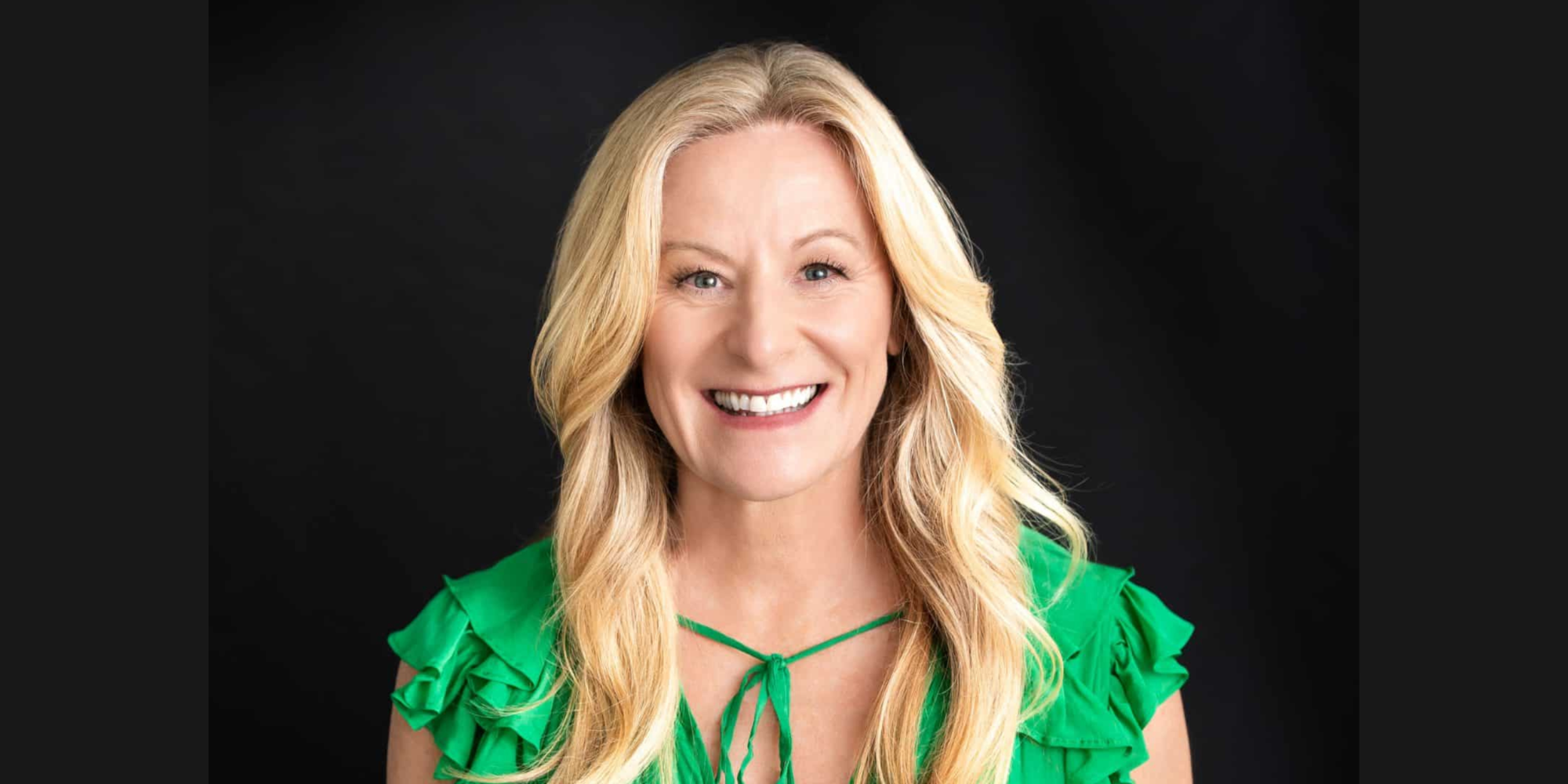
Leisa Peterson spent three decades inside the financial services industry before a near-fatal event forced her to see how far she had drifted from her own life. Today she coaches people, most of them women, on the inherited stories that quietly run their financial decisions long after childhood ends, and how to rewrite them, along with their financial futures.
In this conversation, you’ll hear:
- Why twins raised in the exact same household can end up in completely different financial and emotional places as adults
- The specific questions to ask a financial advisor before you hire one, and the one answer that should make you walk away
- Why financial regret research shows the real damage isn’t the bad decision, it’s the silence around it
- How to start defining your own “enough” instead of borrowing someone else’s number
- What Leisa’s husband’s diagnosis taught her about the assets that never show up on a bank statement
If you’ve ever felt behind, ashamed, or just quietly unsure whether you’re getting this right, this conversation will change how you think about all of it.
You can find Leisa at: Website | Instagram | Episode Transcript
Next week, we’re sitting down with Leidy Klotz to talk about how the rooms you live in every day shape how much control, connection, and competence you feel, often without you ever noticing it. Be sure to follow Good Life Project wherever you get your podcasts so you don’t miss any upcoming episodes!
Check out our sponsors and resources: Visit Our Sponsor Page
_____________________________________________________________________________________________________
Episode Transcript:
Jonathan Fields: [00:00:00] So what if everything you believed about money, retirement, savings and how much is really quote enough was really wrong? What if it was based on a story that was installed before you were seven years old and despite being challenged, it’s never been rewritten. And what if changing that story was the secret to unlocking so much more abundance? Not in a sort of a woo woo way, but in a real practical, grounded way. In this conversation with retired 30-year financial advisor Leisa Peterson, you’ll discover why two people raised in the exact same house can end up with radically different relationships to money. The exact question that exposes whether a financial advisor is working for you or working the room. You’ll learn what financial regret research reveals about what actually keeps people up at night, and how to define your own enough number instead of borrowing somebody else’s number. And finally, what a life-threatening event taught Leisa about the difference between wealth and a life worth living. So excited to share this conversation with you. I’m Jonathan Fields and this is Good Life Project, and we’ll jump right in after this short break.
Jonathan Fields: [00:01:13] You’ve always had a very unique lens on the world of money and finance and wealth management. Um, you, you, instead of saying, well, let’s look at all the things on the outside and then we’ll figure out what needs to happen on the inside. We’ll just take action based on the external things. You’ve always had this different frame, like inner inner awareness first and then outer action. The spreadsheets, the, the decisions later. Take me into this.
Leisa Peterson: [00:01:43] It has a lot to do with my journey, my story, my experiences. But I wasn’t sure if I was going to share this. But I want to say this because I think it is very applicable to the times we live in, which is 13 years ago. I was at a shooting, right. My doctor. This these are horrible events that happened to hopefully as few people as possible, but I was at my doctor’s office. A man walked in with a gun and eventually after he shot some people, he killed my doctor and I survived. And up until that moment, I had already had a lot of trials and difficulties and trauma in my life, but nothing like what happened in these moments where I thought I might die. And it was it was like in that moment, I clearly saw my life for the first time. Which is embarrassing to say, because I don’t think that we should have to almost die to see life. But that is what happened for me in that moment. And the reason I say it is I had spent a quarter century of my life building a career with money and financial services. I was the primary breadwinner.
Leisa Peterson: [00:03:09] I had the experience, the status, the security, like all of it. And I was missing my own life. I had children, I was married to my college sweetheart. Like I remember before that happened maybe a few years before my husband told me we were at Lake Tahoe, and that’s where I am right now. But he wanted to grab my. At that time, it was like a BlackBerry. He wanted to grab my BlackBerry and skip it across the lake because I was never present. I was always inside of the deal. I was always inside of my work. And he was right. And that gunman made visible what had already been happening invisibly for years, and it would take me time of starting. I walked away from my financial advising practice. After that, I started this business of coaching and educating people about their relationship with money, but it would take me many years to even be able to tell you what I just told you, because I was so wrapped up in the game and the chase of like more, more, more, I couldn’t see that I was missing my life as a result of it.
Jonathan Fields: [00:04:25] Mhm. I mean, profound, horrifying. Um, way to wake up to something, um, that would eventually be transformative for you. How did that, um, how did that inform the way that you look at money differently? Because it’s, it’s weird to have conversations about money, right? People feel so strange about it. It’s almost like people feel dirty about talking about anything that involves money or wealth or planning or thinking about these things. Um, and you were, as you described, you spent 25 years in financial services. Like this was your life. It consumed you. And in a moment you woke up to the fact that, okay, so there is this thing, it matters. It’s going to be a part of my life and everybody’s life. It will have a certain amount of influence over what we can and can’t do, what we can and can’t say, like how free we are. And yet you sort of like took that moment and said, I need to change my relationship to this, and I need to also stop serving people in their relationships to money in the way that I’ve been doing for two and a half decades.
Leisa Peterson: [00:05:39] I started to see that my fear about money and my fear about life itself were like the same fear, and they came from the same place, and I couldn’t work on one without the other. Like, I had to understand how money was affecting my relationship with all of life. And that wasn’t going to be an easy feat for someone like myself who had made who had come from a scarcity background, had finally made it, and then realized that actually all the things that I thought I was striving for weren’t giving me the satisfaction, the happiness, the freedom from fear that I had hoped that they would give me. And so that moment changed the the rest of my life because I was like, I need to figure this out. I don’t have the answers. Even though I know money so well. I don’t understand why we do this or how to even change it. Yeah. Yeah.
Jonathan Fields: [00:06:48] You know, you just referenced. You come from a scarcity background. I know one of the things that that is something that you explore a lot is the story that we have around money, you know, which often is birthed really early in our lives. Um, I know you are a believer that abundance is attainable for pretty much anybody, but there’s, there’s a, a but there, which is only once he inherited story underneath the numbers, the assumptions is examined and understood. So break that down for me.
Leisa Peterson: [00:07:19] We just like anything in life, when something is so close to us, it’s really hard to break it down. And I think this is why people go to therapists or people go to coaches is they want to get some help with something. And so this relationship that we have with money, we’ve already got a very clear idea of what money is and how it works by the age of seven. And you got to think like, well, what’s a seven year old doing with money at that point? And all they’re doing is just being a sponge to the world. But what I’ve seen over all my research and all the things that I’ve learned in working with people and, and their money stories, is that those things that were happening around the kitchen table when we were growing up have a much bigger impact than we actually realize later in life. And then some people I, I say this in my book, like some people are really good with it. They don’t, they don’t have challenges. And, and that’s fine. Like, I think my message is stronger for people who are like, I don’t know why I’m doing these things. They keep happening, but I can’t stop them. There’s a pattern here. And so the patterns that we don’t like with money oftentimes have a lot to do with what was happening when we were growing up, which informs our money story and informs whether we’re really scared about, you know, opening up the statements that come or dealing with a problem that, you know, your claim has been denied, and now you’re going to have to go into this whole rabbit hole of like phone calls and you just get full body, you know, sweat coming on because you’re like, I don’t want to have these conversations about money. There’s a good chance that that has something to do with what was going on when we were younger. And so by better understanding some of that and giving ourselves more grace and compassion, we actually can start to feel more empowered in these situations that are, are otherwise disempowering.
Jonathan Fields: [00:09:22] Mhm. So how, how do we begin that process then of going back and understanding what is the inherited story around money that I have? Because if that is controlling a lot of the decisions that I’m making or not making around money now, maybe 20, 30, 40, 50 years later, um, how do we actually go? How do we start to do that? Ferreting that that examination of that early story?
Leisa Peterson: [00:09:50] There’s lots of different ways that we can go about this. One that just immediately comes to mind is writing down those sayings that you heard about money growing up, like money doesn’t grow on trees or, um, it’s not polite to talk about money or to ask money questions. It’s not appropriate to ask people how much money they make, but you hear them in the background when certain situations happen. So it’s like unpacking those statements. You heard, those beliefs you were given. I also really like to ask the question of what does your mother or the person who raised you and perhaps that role, what does your father believe about money? What did they believe growing up? What do they believe now? And taking yourself out of the equation and kind of placing the attention on other people. Sometimes it’s easier to be like, well, that’s interesting that that now that I see how they think, I’m noticing how I’m the opposite of that, or I’m exactly the same as that.
Jonathan Fields: [00:10:58] So it’s almost like you’re either you’re, you’re to a certain extent controlled by it, but your reaction could be, I’m, I’m going to follow the same rule or slogan, or I’m going to like completely reject it and rebel against it, but in some way, shape or form, those early lessons, those early stories or slogans are affecting your choices without you probably even really understanding it.
Leisa Peterson: [00:11:20] Yes. Because once you start to write the story, then you can start to connect it to, like I said before, the patterns. What are those patterns that show up for you? Like when I talk to women primarily, um, the people that I’ve been coaching for 12 years about these sorts of things, I’ll hear stories like I consistently under earn. I consistently don’t speak on behalf of myself and like ask for what I want. I am not a saver. I am a great investor. I mean, it could be positive, it could be negative, but it’s really helpful to kind of notice what in the story of the things that you learned growing up are impacting and affecting the patterns that you’re noticing in your life right now.
Jonathan Fields: [00:12:14] Mhm. I mean, I could see that really cutting both ways too, right? I’m curious where you see this. Let’s say you have twins growing up in that household, right? Um, one person goes out 25 years later, they are phenomenally wealthy. They have saved like a miracle. Um, they’ve been able to retire years ago and the other person is living almost the exact same money life that their parents were living. They grew up in the exact same household, but two profoundly different outcomes. Same same money story, but two profoundly different outcomes. Um. That’s jarring.
Leisa Peterson: [00:12:58] It’s super common too, which is really strange. My interpretation, having worked with people and why that happens is it’s the interpretation of what’s going on many times. So one person sees it as a completely different outcome than another. So they take it to heart very differently. But also, there can be traumatic events that occur for one child that don’t occur for the other child. Uh, even something as simple as like when I was 11 years old. Um, my mom, we were, we didn’t have a lot of money, but my parents decided skiing was a great idea. My parents were self-employed, and they and my mom pretty much supported us with her hair cutting business. And we didn’t never had medical insurance. So they loved skiing. They decided we’d go skiing and we it was like our second or third time. And my mom got hit by a runaway skier and no insurance. She couldn’t work for like almost a year. Her her leg was destroyed and she had to have surgery after surgery. We lost our house. We lost our car. I told myself, I will never be self-employed. Like like that situation happening at 11, you know, might have been different for somebody who’s like five years old. But at 11, it was a very pivotal time for me because I wanted stuff I didn’t. I was worried about how everybody thought of us. We were being evicted from our house. Like I had a lot of different things going on. So some of these events that can happen can affect us depending on what age we’re at or what it means to us. What meaning did we give it?
Jonathan Fields: [00:14:52] Yeah, I mean, it, it is so interesting how we interpret it differently. Like if we go to like your, your example, right? Like you’re describing a household that probably had money was tight, but maybe there’s a lot of love in there and a lot of desire for the family to be together and participate in activities. And maybe if we go to that twin scenario, you know, like one kid experiences this as we never have any money, but the house is filled with love and joy. And just like a deep sense of, of, of, of connection. And so maybe they, they translate that as, um, not having money forces you to be deeper, more deeply connected. It deepens the sense of family. And then it’s almost like you’re bringing that to your modern life and saying, like, I don’t actually want to get too rich because it can tear us apart. And I want to close intimate, like really close knit, like loving, joyful family. And that happened when I was a kid, when we didn’t have anything, whereas the other kid is like, all they can focus on is the sense of just constant instability that they see in their family. They can’t even enjoy that rich joyfulness. And, and, and it’s the exact same thing. But the story that they pull from that exact same circumstance is, you know, like, I will never be let myself be in this same situation. And maybe they, they go out and build incredible wealth, but because that becomes the driving force for them, they end up with either no family or no friends or completely fractured relationships. And then you’re sitting on a pile of money, but who cares? So it’s so interesting the way that we translate identical circumstances. And we tell very different stories just based on who we are and the lens we bring to it. Does that land.
Leisa Peterson: [00:16:40] 100%? I’m so glad you said that, because it is. It is wild how common people approach life in different ways. We’re all so different. And and that is exactly why we can interpret the exact same situation in completely different ways.
Jonathan Fields: [00:17:00] Yeah. So really early days in it’s critically important to understand what is your inherited money story. Um, and, and I guess maybe and that’s a question that you offer, like, look back at when you were a kid, like what were some of the law, the slogans you heard from the family? Um, and would it also be be an intelligent thing to then ask yourself, um, something like how, how is this controlling my decisions and actions around money today or some version of that.
Leisa Peterson: [00:17:34] Exactly. Yes. You’re trying to get a sense of like, what’s working with money and what’s not. And one of the problems, like if we come out of even this, we live in a society that places a ton of importance on money. And there’s a lot of shame and there’s a lot of judgment if you don’t have it all figured out and you don’t have, you know, you’re not a multi-millionaire, like you must be doing something wrong. I mean, there’s so many crazy stories that are perpetuated. So what ends up happening is if there’s a problem with money, we don’t we don’t want to own that problem. We want to look away. We don’t want to deal with it because we’re like, well, society tells me I’m not doing the right thing as it pertains to it. So what we’re trying to do is we’re trying to have greater compassion and self-love for ourselves, regardless of wherever we’re at, Because I promise you, if you hate an aspect of your life as it pertains to money, it has this really wicked way of showing up again and again and again. But when you just say to yourself, okay, I’m really struggling with this, but I see the patterns of how this kind of came to be like what I learned, what I experienced, maybe the trauma I’ve been through. I’m going to give myself more grace. I’m going to slow down. I’m going to look at the situation more honestly and and compassionately, and I’m going to figure out what’s my next step like my next tiniest step to start changing this for the better going forward.
Jonathan Fields: [00:19:14] And we’ll be right back after a word from our sponsors. So if we start from that place really trying to understand our money, and then we’re looking for like, what is the most sensible next step? I know a lot of people don’t feel like they’re equipped to actually know. What do I do? Like, okay, so now I get it. I’ve taken, like, I’ve taken this long look and I’ve talked to my siblings, I’ve talked to my like parents or guardians, if they’re around, I get it. Like I get where I came from and how this all shaped me. And, and I even see how I’m making some maybe good decisions and maybe some not good decisions based on this. I want to change and, but I really don’t know where to start. So many people will then say, well, who do I ask? Who do I turn to? And they’ll look for some version of a financial advisor, um, someone that kind of hand the reins over, um, someone who we believe kind of quote gets money just better than we do. And sometimes that can be amazing, but it can also be a fraught relationship. Right? And you’re speaking from somebody who’s been inside that world for a long time.
Leisa Peterson: [00:20:20] Yeah. I mean, financial advisors can be a really great partner. I think the challenges is that most of us have never been trained how to work with a financial advisor. Like we don’t have parents who are like, let’s talk about all the ways that we’re going to get the most use out of our financial advisor. Like you’re lucky if you have one. So the challenge that I see with financial advisors is because there isn’t a book that goes along with working with them, we don’t know how to approach that relationship in the most advantageous way. And so what often happens by default is we end up abdicating a certain level of responsibility to them without understanding what it is that we’re, we’re giving to them versus what we should be managing on our own.
Jonathan Fields: [00:21:15] So what does that look like? Like in everyday life.
Leisa Peterson: [00:21:18] We don’t necessarily put them through the, the kind of rigorous job interview like process that we probably should. So I would say if we lined up ten people and we asked them about their relationship with financial advisors, they’re all going to have somewhat similar in that I pay them a certain amount of money and they manage my investments, but they are all going to have different experiences about the personal side of it. Like they’re very few are going to tell us that they’re receiving education on a regular basis from their financial advisor, or being told the behind the scenes look of what’s going on, like we’re investing in this money or in this fund because of this, or yeah, there’s a lot of different aspects to it. And so what does that look like in a different way? I’ll say that we need to become better advocates for our money, for our our managing of it. And it means that we’re probably not using the financial advisor in all the ways that we could.
Jonathan Fields: [00:22:28] Give me sort of like your like your top hits of questions that you should be asking these people to really get a better beat on who’s who’s right for you and who’s who’s who’s absolutely not.
Leisa Peterson: [00:22:39] First and foremost would be, tell me your philosophy of how you see financial advising playing into my financial goals. Just a very broad based question, like, tell me about that. And I think that you’ll get a good sense of are they oriented to products mostly, or are they oriented to like you as a human being with goals and, you know, dreams and wishes and they’re wanting to help you touch into your goals to make sure that the money is going to support those goals. Because let’s be clear, our life is not about the money. Our life is about what’s most important to us. And if our financial advisor is all about the money and not about what’s most important, and helping even pull and draw some of that out, that might be a first red flag. Another one would be, can you walk me through exactly how you get paid on your recommendations? Because we’re talking about money. It’s funny because not everybody feels comfortable asking these questions, but it is really important to know how do you get paid? And it’s so interesting, Jonathan, because just the other day, like I interview advisors all the time for my podcast, I talk to them. I was one and I still continue to be blown away about all the different ways that they can charge you for their services. So this advisor, a woman advisor I met this past week, she said, I do not charge based on how much a person is investing. I look at their whole picture of their net worth, and I figure out how much they’re earning and what makes the most sense for me to charge to be their advisor, regardless of what we decide to do with their investing.
Leisa Peterson: [00:24:34] I’ve actually never heard somebody just say it in that way. It it works really well because now she’s not incentivized by the products that you do or don’t buy. And she’s looking at the big picture and focused on financial planning first and foremost, not so much the products. But that’s why these sorts of questions are really helpful, is you’re going to find out is it all about how much you invest? So the problem with that is to keep in mind is if it’s all about how much you invest, and let’s say the market’s not something that you’re really wanting to be in and you decide to take your money out of the market. I’m not recommending it, but let’s say you decide that now the advisor is not going to make any money from you working with them. So they’re going to even be more incentivized to keep you from doing what you feel comfortable, most comfortable doing. Right? So that’s an example. But I think that it’s important to understand all these different ways that someone can be charging you. It used to be that people would charge commissions every time they would do a transaction. So they would like buy and sell stocks and then make more money off of those transactions. That’s very, very rarely done anymore. So most people say I’m a fee only planner, and the idea of fee only for the most part, but again, it could be different for different people is I’m going to charge you 1% or 2% of your portfolio that I invest for you.
Leisa Peterson: [00:26:10] And that’s how much you’re going to be paying me on an annual basis. Now They’re going to try and get that number typically as high as they can. And the lower amount of money you have, the more they want that number to be maybe 2%. If you’re talking about $100,000 and maybe it’s 1% if you have $1 million. But what I’ll just say is everything’s negotiable. Do not take the first number as like the one that you have to pay. It’s not standardized, I promise. And you can ask deeper, like you can go deeper than that. Like, well, what do you get? Like, what do I get for that? You know, and what other fees are involved? Because many times they’ll be investing in mutual funds or other financial products that have additional fees. So you may say, okay, I hear what you’re getting, but on average, how much am I going to be paying in totality if I go with you? Because again, that’s going to cause them to work for it because they’re going to have to be like, well, I don’t know exactly what I’m going to put you in yet, but this is the average. And now we’re getting into some really important numbers about how much this relationship is going to cost you, not just in one year, but over 10 or 20 years so that you can hopefully negotiate.
Jonathan Fields: [00:27:34] Yeah. And I mean, when you say, well, it’s going to be 1% or 2%, maybe like in the beginning, you’re kind of like, well, that sounds reasonable. It’s really not a lot. But you compound that out over five years or ten years or 15 or 20, especially if your portfolio is growing, it starts to become potentially a lot of money. And then as you’re describing, I think this is one of the big missing questions, right? Like certain investment vehicles have their own fees attached to it. Like they have a load on the front end, maybe to be in a fund. Um, you know, they’re going to charge you an additional 1%. So, you know, in theory, your advisor isn’t charging you that, but they’re passing it through to you. So you end up paying it. Am I understanding that right?
Leisa Peterson: [00:28:15] 100%. And this what we’re talking about. It’s not just even the answer they give you. It’s the way that they answer it.
Jonathan Fields: [00:28:25] Like, tell me more. Yeah.
Leisa Peterson: [00:28:27] Are they saying to you or giving you the impression like, don’t worry about that. This is just really standard, you know, and they just want to get off the subject as fast as possible. Or are they saying, yes, there’s this question of fees. Let’s talk really honestly about that. I will lay out all the numbers. I want this to be an open book for you, and I want you to know what this is going to cost you now, five years from now, ten years from now. Like I have nothing to hide. Like that’s a very different advisor than someone who’s like, okay, do you have enough information? Can we move on? You know, like that’s what you’re paying attention to.
Jonathan Fields: [00:29:07] Do you see people sort of like in this situation, certainly like searching for an advisor who are hesitant to ask these questions, either because a they don’t want to feel like they’re the ignorant ones, or b they don’t want to offend the person for some reason, and they think that this line of inquiry might be offensive.
Leisa Peterson: [00:29:29] I think it’s all of those. Back to the first part of our conversation, because this is where our money. Stories like showing up, right? Like that. Is this appropriate for me to ask? And I work with a lot of women and. There is so much around not receiving enough education about this stuff to feel confident or comfortable asking a lot of these questions. And so what ends up happening is people end up friends, you know, clients, what have you. They come to me with questions. And every single time, Jonathan, they apologize before they asked the question because they’re like, is this a stupid question? I’m so sorry. I don’t know any more than to just try and get this out of myself. You know, like they’re, they’re saying all these things and I’m like, please, please, please know that every single person multi-millionaire’s like people that I’ve worked with that have hundreds of millions of dollars because of inheritance are saying these same exact things. So I just want to normalize how it is difficult, but I think this is why we have to find advisors that are like, please ask me these tough questions. We need to find people who want to help us, who never cause us to feel any kind of shame or discomfort. That’s back to your question. That’s the red flag. It’s not easy to find folks that don’t have a certain level of judgment. When somebody doesn’t understand finance in the way that they think they should, or your lack of understanding is not a personal failing. This is just information and your advisor works for you, period.
Jonathan Fields: [00:31:35] And we’ll be right back after a word from our sponsors. So let’s say somebody understands their money story. They’re excited to make changes. They go out, they get a whole bunch of recommendations from people. Maybe they’re looking online or whatever, and they have the conversations. They find a person that they’re excited to work with, or maybe they just decide like, okay, I’m just going to pour myself into education and pursue this myself. I feel like I want to just kind of take control and really go deep into it and know how to do these things at some point, especially as we sort of move into the middle season of life, pretty much everyone bumps up against some version of this story that says, when it comes to money, to what I’ve saved, to what I’ve invested, I’m quote behind, or I’ll never have that, that big word, capital E, enough. Talk to me about this.
Leisa Peterson: [00:32:33] Yeah, it’s a big question. We don’t like live in a world that even talks enough about enoughness. Like what is enough? Um, and if you look at if you’re someone who does read financial books or you read the financial headlines, you know, if anything, they just terrify you because the numbers just keep increasing of how much you need to have to be able to someday retire. So there isn’t a conversation about this idea of what is enough. Uh, I feel like this is helpful to just explain to that. I get it because I’ve been there. Um, as you, as you know, a few years ago, my husband got diagnosed, diagnosed with prostate cancer. When it happened, I was running my business. I had a lot going on with what was going on in, in my work, in my career. And I decided to step away from most like my business and everything that was happening other than focusing on him and his health and his his well-being. And in the course of that, I realized that even me, who focuses on all this stuff, had not spent enough time thinking about this conversation of enough. Because when you make big changes in your career or in your business or what have you, it’s probably good to be thinking, well, do we have enough if I walk away from these things? So what’s so funny about the beautiful lessons that came from a very difficult circumstance was I did start spending a lot more time looking at the tools that I had been sharing with people for years as a financial advisor.
Leisa Peterson: [00:34:24] And then like real life. And what does that look like? And it turns out they’re kind of very different things. And let me give you an example. So my husband and I have always been pretty frugal, and I had an idea of how much money we spend on a, on an annual basis. But what started to become really apparent is that the assets that we have, normally, we just look at the money in the bank or the savings that we have. But I started realizing that there are so many more assets in life than I was giving credit for. And for us, it might look one way. We had an Airbnb. We got really into home exchange, started to realize that we could we’ve done 48 home exchanges. And it’s really funny because we realize now that we could travel all over the world and barely spend, you know, as long as we have miles from our credit cards for our flights, we could travel and live more, you know, luxuriously through home exchange with, you know, people around the world. But it, it wasn’t just about home exchange. It was about the fact that we have these ideas of how much money we’re going to need. And yet we’ve never sat down to think, well, what does that actually look like for me? What does my life going to cost this year, next year and beyond? What are my fixed expenses? So that would be like if you have a mortgage or you have, you know, certain things that are fixed in place, those things aren’t changing so much.
Leisa Peterson: [00:35:55] What are the variable expenses like? Most American families have not spent time understanding what the enough number is for them. And there really is a number. But if we don’t dive into that question of like, what’s most important to me in my life, what’s it going to cost for me to live that part of my life? Can I put this on paper? I’ve got tools that I love. That one tool would be an app called Bolden, which if you have a financial advisor, sometimes they do financial plans for you, but Bolden helps you have that tool for yourself. But my point is, is that our enough number is totally unique for each of us and our own preferences, our lifestyle, our choices, our the values, all of those things. So nobody can figure out what our enough number is but us. And that means that we need to take some time to work on it individually. And that may be with our advisor, but that also may be just on our own with our partner or ourselves.
Jonathan Fields: [00:37:07] Yeah. I mean, I feel like, you know, the typical person can, if you go to an advisor, they have all these spreadsheets and programs and stuff where they’ll ask you a ton of different things and they’ll plug all your variables into projections and say like, well, this is what it looks like at 60 and then 70 and then 80 and then 90 and God willing, 100. And based on the path that you’re on and, you know, like where you live and, and do all of these different things. Um, I would imagine now I haven’t looked at this, I would imagine you have, there are probably a lot of online resources and sort of like spreadsheets and tools available for anyone to do a lot of this work on their own. But, but I guess my curiosity is, and maybe this is part of what you’re getting into. They’re all based on standard formulas, right? And the one thing that I’ve learned in business about standard formulas is that classic line garbage in, garbage out. You know, so we look at the formula and we’re like, oh, this has 39 different things that I should be thinking about that are relevant to the typical person at this point in their lives. And like, I’ve got to come up with all this stuff and the spreadsheet looks really good and really comprehensive and the platform and the app look really good and comprehensive. And, you know, the program that our advisor is giving us, it’s been tested across millions of people, right? And that’s all true. And if you don’t really think deeply about your unique variables that you put into all those models and what really matters to you, and what like the emotion and the reasoning is behind them, you’ll get all the numbers out the backside, but they’re probably not going to serve you all that well. Does that, does that land as true?
Leisa Peterson: [00:38:45] Yes, very much so. Like the problem too, I think I’m also alluding to is, like you said, an advisor is going to take some certain numbers. Maybe your budget this year and, um, how much money you have and try to figure out how they all go together, but they’re not necessarily going to ask you questions like what do you value most? What do you how do you see yourself? You know, what, what makes you happiest? What really gets you excited about the future? Like when you aren’t working in the job that you’re working in, do you see yourself doing something else? Some of us probably will never retire. Like as long as somebody is willing to work with us in some capacity. We love work and and I’m sure we’re not alone on that, but it might look very, very different in the future. And so these are things that I feel like it, it really means a lot to spend more time thinking about. What brings you the most joy. What do you see yourself doing forever? What might change? Where might you live? Like, who are you? Where do you want to live? What do you. What’s most important to you? What’s going to happen if your children have children? You know, like these things that could change the whole situation. And we just that’s going to decide what enough is far better than a financial advisor putting some numbers into a spreadsheet for you.
Leisa Peterson: [00:40:16] I’ll just say, what’s so scary about the world that we live in is these numbers are thrown out, these really, really big numbers about how much money people need to save to be able to like, stop working. And I just want to say that those numbers are, if you haven’t figured it out for yourself yet, exactly what that looks like considering Social Security, considering potential inheritances, considering downsizing on a house like so many different choices, please don’t let those numbers you read about or people talk about affect you in any way, because the real story may be far more favorable than you give yourself credit for. And I see this over and over again. People get panicked. They don’t want to deal with it because they’re so afraid of it. But then when we sit down and we start looking at like, okay, and this isn’t something I do like all the time, but I do it for friends and I realize I’m like, okay, I’ll help you. But people are amazed. They’re like, wait a minute, I can’t believe I didn’t look at this because I was so scared, like it’s going to be okay. And, and that’s just what I want to say to everyone who’s, who’s inside of this conversation of like, what is enough, I don’t know.
Jonathan Fields: [00:41:35] Yeah. So a lot of what we’ve been talking about here and we’ve kind of alluded to it, but let’s drop into this as sort of like our, our, our final point, um, is this idea that there are conversations around money that so many of us feel uncomfortable having. Um, and that leads to a phenomenon where we don’t have them. We’ve talked about some of them, but I would imagine that there’s also a certain sort of like type of conversation around money that people proactively refuse to have. There’s a silence. There’s a secrecy around it. Um, and not just with financial planners and not just, you know, like with people who can help you figure things out, but with people closest to you, with your maybe your partner, your spouse, your close family members. Um, why are we so secretive about money, even with those who are close to us, even with those who could potentially really help us?
Leisa Peterson: [00:42:35] It hasn’t been modeled as something that’s a topic that people feel comfortable revealing those. It feels like the most inner innermost secrecy is kept around these. These conversations. And so it it just to say it’s, there’s no normalization around the conversations, uh, for most of us or for most of the people that do feel more comfortable talking about money, it’s because we’ve spent a career talking about it. Oftentimes we will need to be the first person to open the conversation, but I think we’d be shocked at how eager people are to have these conversations and to be willing to go there. And maybe we don’t just say to our dinner party, hey, let’s talk about how much we make or how much we’ve saved. Like, we don’t have to start with the hard stuff first, but we can start talking even about this relationship that we have with money or what our beliefs are about money, and then go from there because we may find that there are people that are like, I’m eager to have these conversations, or I would love to be a part of an investment group where we get together and we talk about what we’re doing with our money and what conversations we’re having with our advisor. Like we don’t have to be independent investment advisors to form an investment group or a money conversation group, just like a book club. Actually, that’d be a cool idea to buy a book and as a group and have that book about money be the thing that you study for 2 or 3 months together.
Leisa Peterson: [00:44:16] That opens up conversations. But, but what I thought was so interesting, I came across this, there’s research from Daniel Pink on Regret that was so interesting to me because what he found was financial regrets almost never sound like I picked the wrong mutual fund. They sound like I wish I had talked about this with someone. I wish I had asked about it. I wish I had not carried this burden all by myself, whether that be talking to friends or family about a difficult money situation that you’re trying to process through. But what he found was the privacy itself is the liability. And it’s just like anything, the truth will set us free. So the more we live in this secrecy about that mistake, the more it’s going to pressure us to, like, focus on it even more versus talking out loud about it. So I’m always amazed because, and this brings me comfort because I even though I’m good with money, I make mistakes. Like the more you do with money, the more likely you are to make mistakes with it. And, and I don’t always give myself credit for that. But like, I notice that if I’ve made a mistake and I hold on to it, and I don’t find at least one person to talk about the mistake with, it will be the thing that keeps me up at night.
Leisa Peterson: [00:45:45] But the minute I can talk about it and be like, okay, can I just run through what’s going on? This is what happened. This is what I thought. This is what ended up happening. And I can see the mistake I made. Like, you know, just say whatever comes to mind. It starts to change the experience that you’re having with that. Now it’s become a story, right? You’re holding on to this story. You’re not letting it go. And here’s the other part to just confirm. We are so worried about other people judging us, but honestly, no. Most of the time people do not care. If anything. They’re like, oh, I’m they feel great compassion for us and they wish that they could help even if they can’t. And they and it makes them feel better because they’ve got like five stories that are super similar that they’ve never told anybody before. So it’s a connection thing like you actually feel more connected to people. It tightens your relationship with them by you being vulnerable like that. And they probably have some stories that they may or may not want to share with you. So I just I’ve never been disappointed in myself when I’ve shared a story. I have been disappointed when I’ve held on to a story for far too long because I was so upset about it.
Jonathan Fields: [00:47:11] Yeah, that that really lands. And your point about pretty safe bet that everybody else has their money mistake slash money shame story too, that they have never uttered a word to anyone else about. And if you’re willing to sort of like open up about you, you have to imagine so many other people be like, oh, you don’t even know. Let me tell you what happened to me or what like this like silly thing that I did and, and how much or maybe like, not even silly, but like this caused me so much pain and it took me years to dig out. And I’ve never told anyone. And you’re opening that conversation, which just eases the pressure for both of you. And maybe now you have people to help you figure out like where to go, how to navigate this moment. I’m literally the entrepreneur bring to me as we’re having these conversations, like somebody needs to have like money mistakes hotline, so you can just call and unburden yourself, you know? Um, that’s.
Leisa Peterson: [00:48:08] Such a good idea. I’ll start that as another project. Exactly.
Jonathan Fields: [00:48:13] Um, yeah, you know what strikes me, I think across the different, the different topics that we’ve talked about, the story that you inherited, the, the way that you think about making decisions and whether you choose an advisor and how to actually do that. Um, you know, the, the enough, um, that you’ve never really defined that you don’t have any real clarity around, you’ve just maybe accepted, um, you know, like proclamations from other people. Um, the conversations that you’re avoiding are keeping secret. Is it? They’re kind of all the same move at the end of the day, like money gets workable the moment that you bring the light of day to it. And, and that that light of day, the awareness, the clarity is the thing that needs to precede action, not follow it. But sometimes maybe oftentimes we do the exact opposite. Um, it feels like a good place for us to come full circle as well. So in this container of Good Life Project, if I offer up the phrase to live a good life, what comes up.
Leisa Peterson: [00:49:19] Having the most scrumptious relationships with my family and friends.
Jonathan Fields: [00:49:25] Mhm. Thank you. So let’s talk about some of the big AHAs and actionable takeaways from this conversation. One thing I’m still really sitting with is, you know, how early all of this starts. Leisa said it really plainly. By seven years old, most of us have already, you know, installed a working theory of what money means, and we kind of spend the rest of our lives acting on it without ever checking whether it’s true. Two other ideas that I want to carry with you, certainly carrying with me. First, the twins story. Two people, same house, same money lessons, completely different outcomes. Because the meaning they gave those circumstances was never the same. And the second, the line about advisors and the light of day money gets workable. The moment you’re willing to bring awareness to it before you take action, not after. So here’s what I’d ask you to do this week. Pick one money belief that you have never actually questioned. Maybe something you just accepted as true because maybe you heard it enough times growing up and write it down. Just look at it and kind of zoom the lens out and ask yourself objectively where you are now in this life that you’re living. Does it still hold up? And hey, before you leave next week, we’re sitting down with Leidy Klotz to talk about how the rooms you live in every day shape how much you control and connect, and how competent you feel and how you move through your days. Be sure to follow Good Life Project wherever you get your podcasts, so you don’t miss that or any upcoming episode. And maybe do me a quick favor. Seven-second favor. Share this episode with just one person. This episode of Good Life Project was produced by executive producers Lindsey Fox and me, Jonathan Fields. Editing help by Troy Young. Kris Carter crafted our theme music. And of course, if you haven’t already, please go ahead and follow us wherever you get your podcasts so you never miss a conversation. Until next time, I’m Jonathan Fields, signing off for Good Life Project.